
What Is Music Therapy?
In music therapy, music is the tool used to reach non-musical goals.
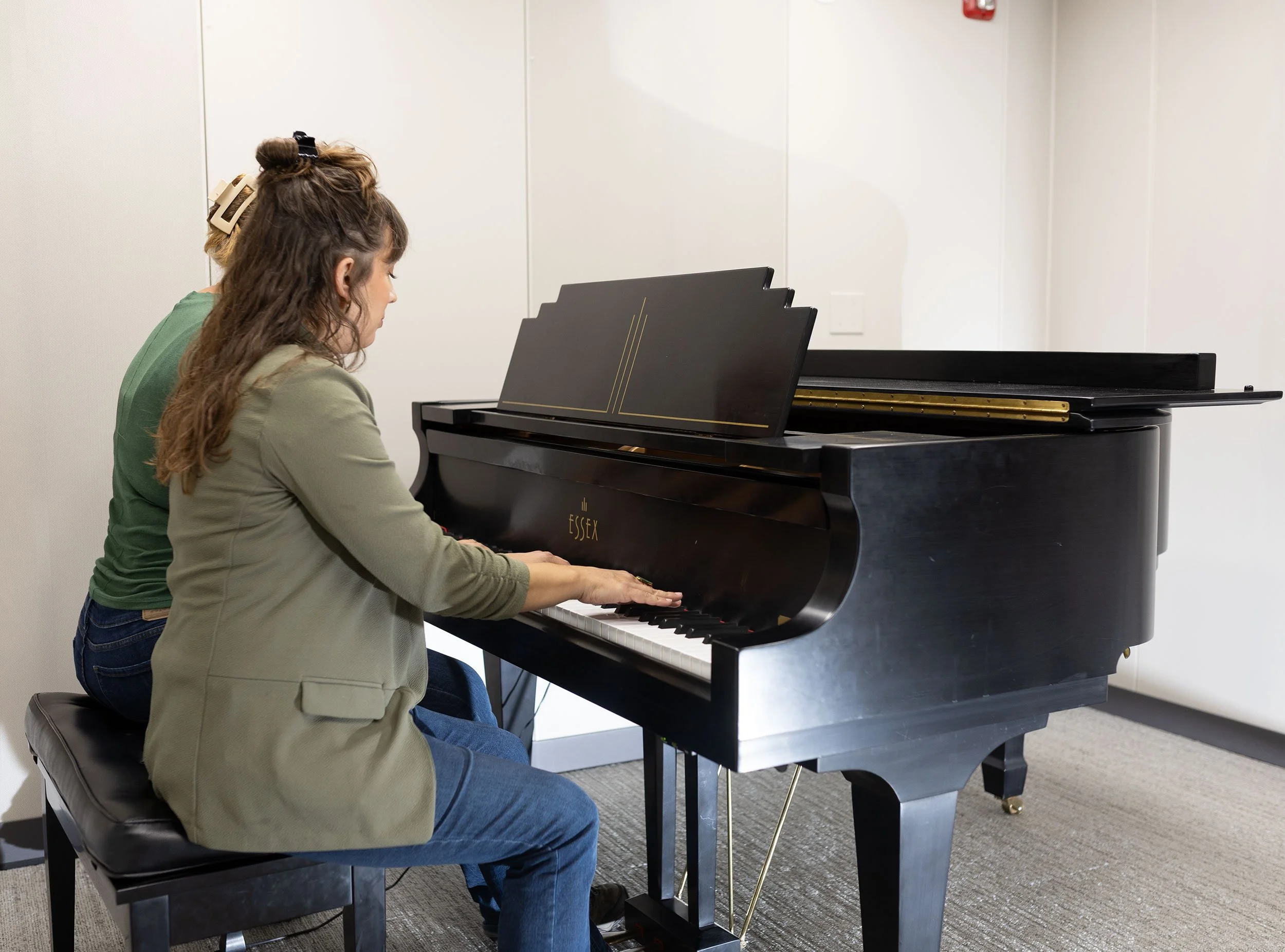
Music therapy is the clinical and evidence-based use of music by a credentialed professional to help clients reach meaningful, individual goals. During music therapy sessions, the music therapist uses music intentionally to guide people toward their unique areas of growth.
No Musical Experience Is Needed.
More Than Just Making Music.


How Does Music Therapy Work?

Music therapy uses music to help people work toward specific goals in areas such as mental health, emotional expression, social connection, communication, and movement.
A music therapist gets to know each client's strengths, needs, and goals, then selects musical activities that support those goals. Sessions might involve singing, playing instruments, movement, songwriting, or listening to music, depending on what each person is working toward.
It’s More Than Just Playing or Listening to Music.
What Do You Want Music to Do for You?


What Does Music Therapy Actually Look Like?

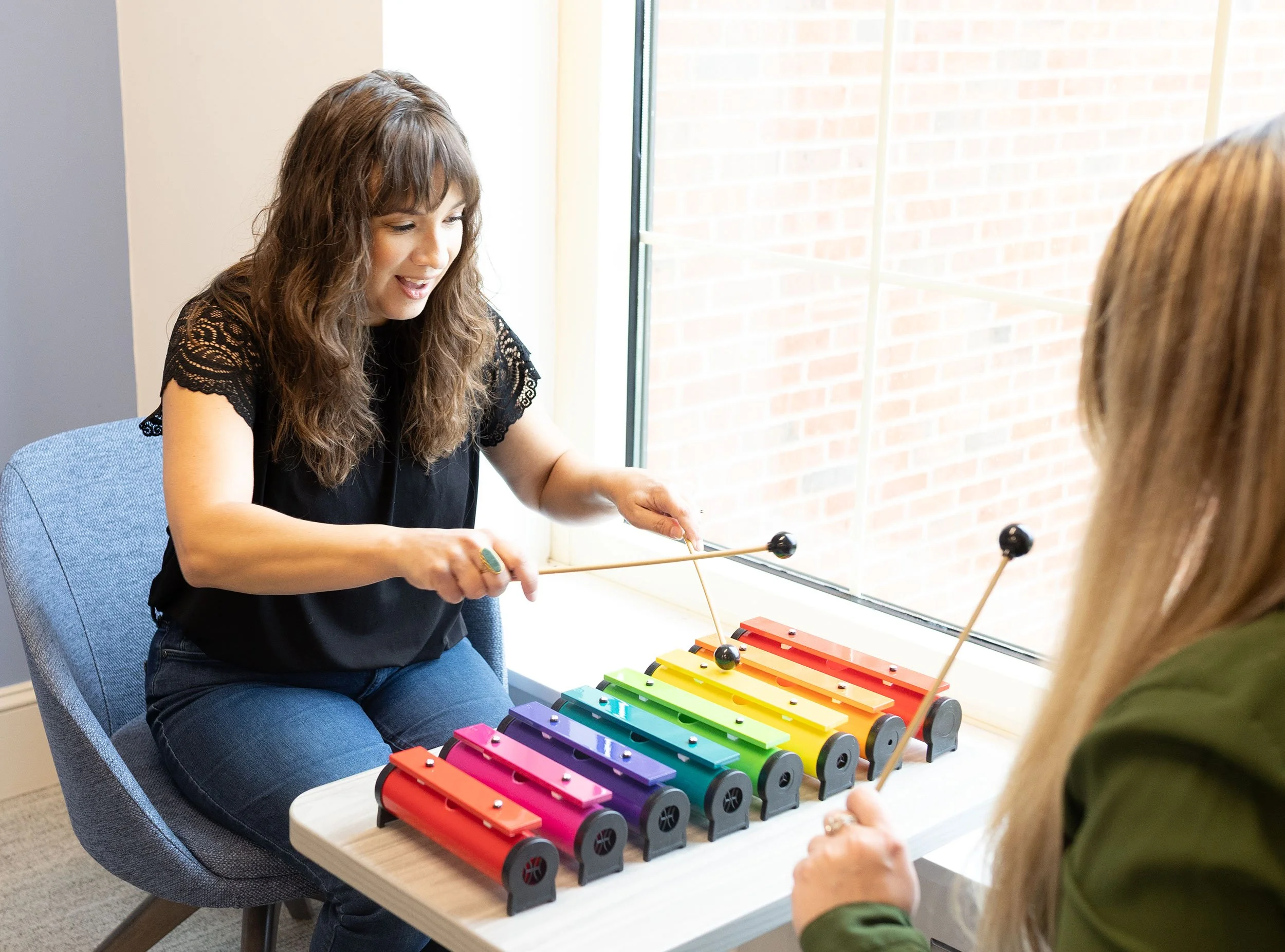
Music therapy sessions include a variety of music-making methods, such as listening to live or recorded songs, playing instruments and singing, composing new music, and improvising together. Individual sessions are tailored to the client’s unique preferences and strengths, making every music experience intentional. Group sessions are created to address shared needs and promote positive interaction as everyone works together towards common goals.
More Than Having Fun.
What Session Type Works For You or Your Organization?

Music Therapy in Action.
Real-World Examples of Music Therapy Goals.
For children with emerging language skills, music can provide a comfortable framework to practice verbal and nonverbal communication. Familiar songs, musical choices, and lyrical prompts can encourage communication in a fun, engaging way.
Session Snapshot:
Singing familiar songs with fill-in-the-blank lyrics or with instructions embedded within the songs.
Potential Goal Areas:
Communication, academic concepts, and social engagement.
Finding a Voice Through Music.
Learning About Yourself Through Music.
For any age and stage, music can provide a stable environment to name emotions. Creating playlists, writing or improvising songs, and learning a new instrument can serve as a positive outlet for navigating emotional wellbeing.
Session Snapshot:
Creating a playlist for a bad day or choosing percussive instruments to represent different emotions.
Potential Goal Areas:
Emotional awareness, expression, and regulation.
Connecting with Others Through Music.
Shared music can encourage interaction, teamwork, and connection, particularly for groups of people who are working towards similar goals.
Session snapshot:
Singing in a memory choir or Parkinson’s choir, participating in music therapy group for people with Autism Spectrum Disorder, or joining a community drum circle.
Potential Goal Areas:
Positive peer interaction, emotional wellbeing, interpersonal connection.

Music for Every Stage of Life.
Music therapy adapts to every age and stage in life. From infants to toddlers, children to teens, and young adults to seniors, music is present. Music therapists are trained musicians with specialized clinical education who adapt musical experiences to each person's abilities, needs, and goals.
More Than Just for Kids!

Children & Teens
For children and teens, music therapy can support language development, attention, emotional regulation, and social interaction. Sessions use engaging, age-appropriate activities to help young people practice skills such as expressing their needs, managing frustration, following directions, and connecting with others.

Adults & Older Adults
For adults and older adults, music therapy can provide support through life changes, relationship concerns, health challenges, and aging. Sessions may focus on managing stress, expressing emotions, maintaining movement and coordination, stimulating memory, or encouraging meaningful connection with others.
Schools & Organizations
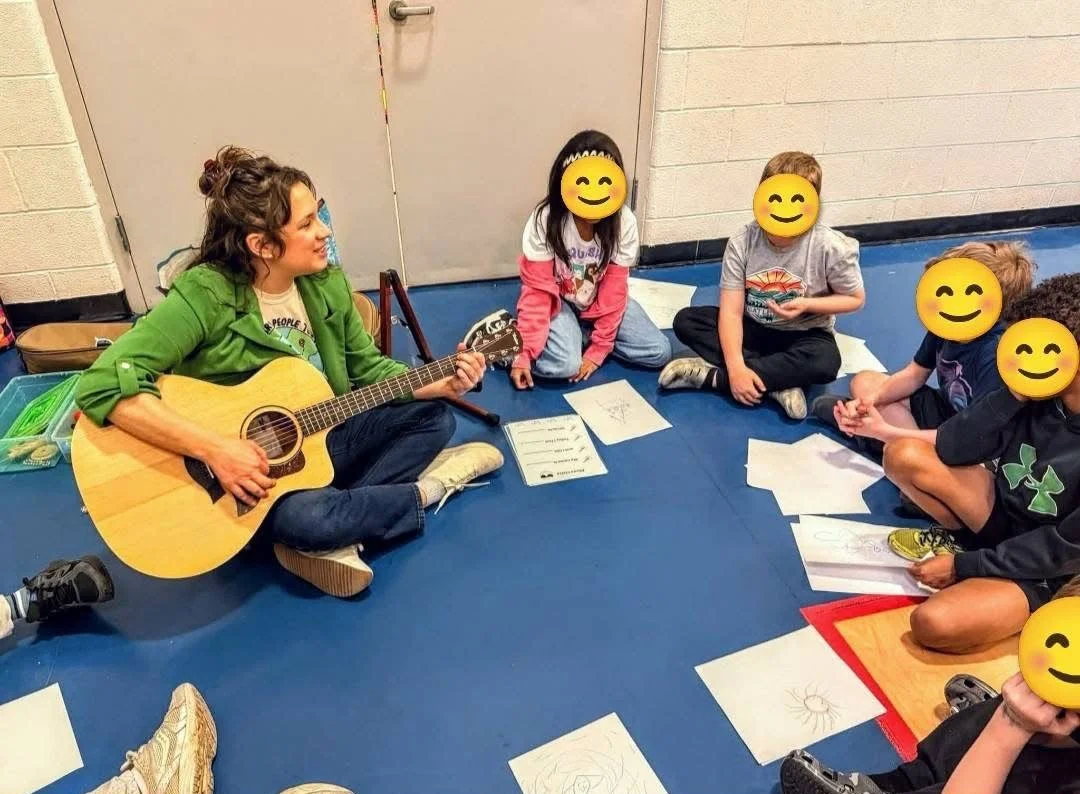
In schools and community settings, music therapy can support shared educational, developmental, social, and wellness goals. Group experiences may encourage cooperation, participation, communication, and a sense of belonging, with activities adapted to the needs of each organization and the people it serves.

You don't need to already play an instrument. You don't need to read music. You don't need to sing on key.
You don't even need to know what you're supposed to do when somebody hands you a tambourine.
There’s no one right way to participate in music therapy. Instruments and activities can be adapted, choices can be simplified or expanded, and sessions can change from moment to moment depending on what feels successful, motivating, and meaningful.
The goal isn't to make perfect music. The goal is to use music to help you work toward something that matters.
Research Behind Music Therapy.
Frequently Asked Questions
-
No. Music lessons primarily focus on developing musical skills. Music therapy uses musical experiences to work toward non-musical therapeutic goals. Oh, Hello! also offers adaptive music instruction for individuals who want to learn an instrument or develop musical skills in a more individualized, accessible way.
-
It depends entirely on the participant and their goals. Sessions may include singing, instrument play, movement, songwriting, improvisation, listening, musical games, discussion, or other experiences selected intentionally by the music therapist.
-
That's perfectly fine! No previous musical experience is necessary. Activities are adapted to each participant's abilities, comfort level, interests, and goals.
-
Not at all! Oh, Hello! Music Therapy Services works with children, teens, adults, and older adults, as well as schools, organizations, and community groups.
-
Services are available throughout Greater Williamsport and surrounding communities in North Central Pennsylvania, depending on the program and individual needs.


Ready to Explore Music Therapy?
Curious about how music therapy could support you, someone you love, or your organization? Share a little about your needs and goals, and we'll explore what might be a good fit.